
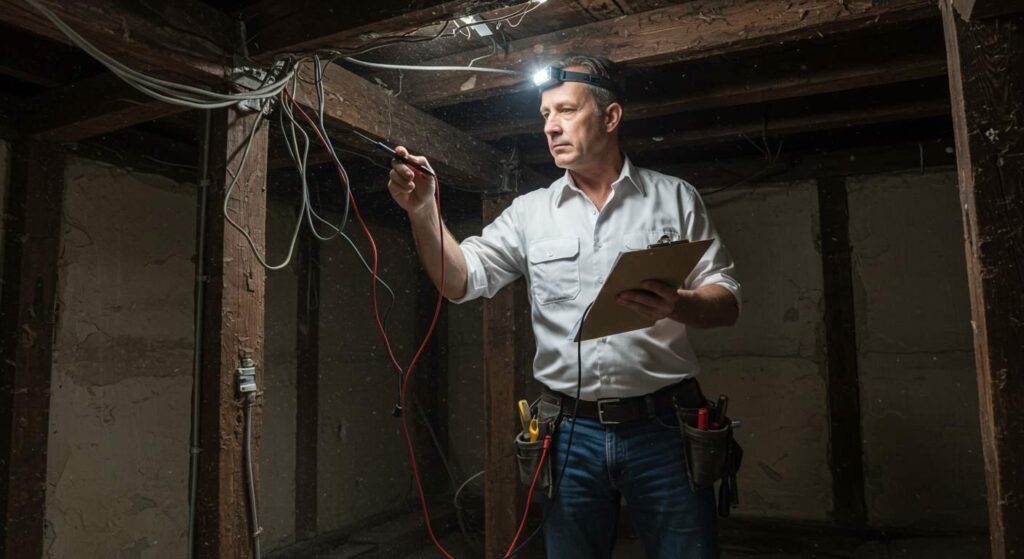
Flickering lights, tripped breakers, or a faint burning smell—signs like these shouldn’t be ignored. Electrical issues can grow into costly repairs, unexpected downtime, or safety hazards if left unchecked.
Old or faulty wiring struggles to keep up with modern demands, causing inefficiencies and potential risks. Overloaded circuits, outdated materials, or visible damage could be warning signals that require immediate attention.
We help businesses and property owners assess their electrical systems for reliability and compliance. Our experts ensure safe, efficient, and up-to-date solutions tailored to your specific needs.
Signs That a House May Need Rewiring
Electrical problems often start small but can worsen quickly. If something seems off with your wiring, it’s best to act early rather than wait for a major failure.
Frequent Electrical Issues
Lights flickering for no clear reason can be more than an annoyance. It could mean your wiring is struggling to keep up with demand. If circuit breakers trip often, it may indicate overloaded or faulty wiring. The same goes for fuses that blow too frequently. These issues suggest that your electrical system might not be handling the load safely.
Visible Signs of Wiring Problems
Look closely at your power outlets and light switches. If you see discolouration or burn marks, it could be a sign of overheating wires. A burning smell, especially near outlets, is a serious warning. Any buzzing sounds inside walls or from switches mean you should stop using the outlet and investigate further. Sparks when plugging in appliances can also indicate loose or damaged wiring.
Functionality and Safety Concerns
Malfunctioning outlets that only work sometimes or cause slight electric shocks when touched should not be ignored. If wires or outlets feel hot, there’s a real risk of fire. Any of these could indicate that your home’s wiring is outdated or failing.
Understanding the Risks of Outdated Wiring
Old wiring might be hidden behind walls, but the risks it carries are anything but invisible. Aged systems can be dangerous and unreliable.
Safety Hazards Associated with Old Wiring
Fraying or outdated wiring increases the risk of electrical fires. Insulation on old wires may break down over time, exposing live wires. Shocks from faulty wiring are another serious concern. Power fluctuations can also shorten the life of expensive appliances or even cause them to fail completely.
Homes Most Likely to Need Rewiring
If your home is more than 30 years old and hasn’t been rewired, it may not meet current safety standards. Homes built with aluminium wiring, common in the 1960s and 1970s, can overheat faster than copper. Knob-and-tube wiring, found in homes built before 1950, lacks grounding and is more prone to failure. Properties with several DIY electrical fixes may also have hidden hazards that should be examined.
Impact on Home Insurance and Compliance
Many insurers hesitate to cover homes with old wiring due to the fire risks. If your electrical system doesn’t meet modern safety codes, you could have trouble getting insurance or might pay higher premiums. Keeping your wiring up to standard makes your home safer and ensures compliance with current regulations.
How to Check If a House Needs Rewiring
If you’re concerned about old wiring, some basic checks can give you a clearer picture before calling an electrician.
DIY Checks for Wiring Issues
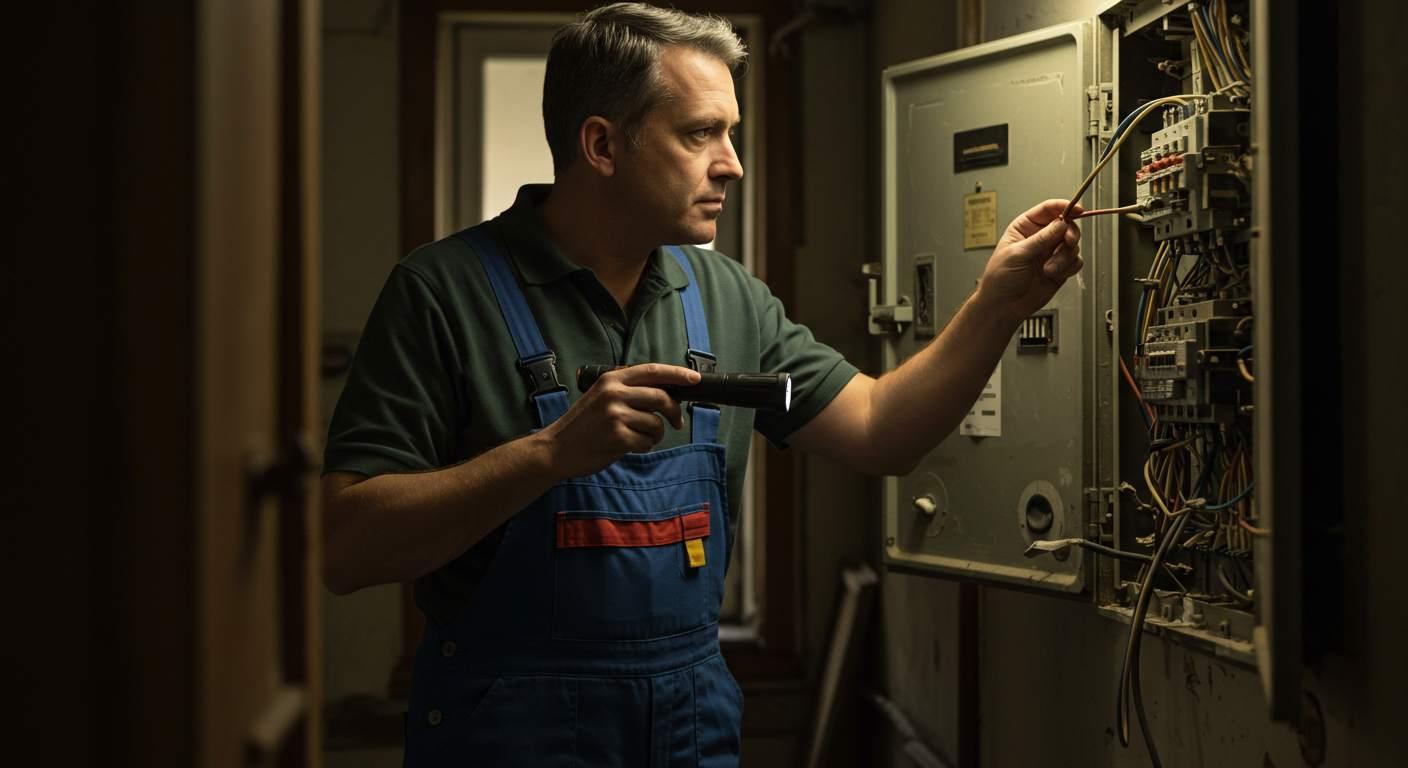
Start with your electrical panel. An upgrade may be needed if it’s rusty, hot to the touch, or has an old-fashioned fuse box instead of circuit breakers. Examine outlet covers and switches for signs of burns or cracking. If your home’s wiring is fabric-covered instead of plastic-coated, it’s likely outdated. Flick a switch and listen—if there’s a buzzing or crackling sound, it’s a warning sign.
When to Seek a Professional Inspection
If you’ve noticed multiple signs of electrical issues, a licensed electrician should evaluate your system. An inspection will also help identify any necessary upgrades if you’re looking to buy an older home. Regular electrical safety checks should also be part of home maintenance, especially in older houses.
Professional Evaluation and Rewiring Considerations
An electrician’s expertise ensures a thorough assessment of your home’s wiring condition, helping you decide on the next steps.
Hiring an Electrician for Assessment
During an inspection, an electrician will examine your wiring, outlets, switchboards, and electrical panels. They’ll check for frayed wires, outdated components, and grounding issues. If rewiring is needed, the electrician will outline the necessary upgrades and safety improvements.
Cost and Timeline for Rewiring a House
Costs depend on the size of your home, the condition of the wiring, and the complexity of the job. Depending on the scope, a full rewiring can take a few days to a couple of weeks. Be prepared for disruptions, such as restricted access to certain rooms while work is completed.
Rewiring an Older Home: Process and Best Practices
Rewiring a home isn’t just about replacing old wires—it’s about ensuring long-term safety.
Steps Involved in Rewiring
First, an electrician examines the current wiring and identifies weak points. Next, switchboards and outlets are upgraded to meet modern safety standards. Finally, all circuits are tested to ensure they function properly.
Safety Measures During the Rewiring Process
To minimise disruption, electricians often work in stages. Sensitive household appliances may need to be unplugged to protect them from power surges. Proper safety measures, such as ensuring live wires are disconnected when necessary, help keep the process smooth and secure.
Flickering Lights and Failing Systems: When Your Electrical Setup Signals Trouble
Electrical issues start small, but they can disrupt operations and create serious risks over time. When machinery hesitates, lights dim unpredictably, or circuits trip for no reason, the warning signs are already there.
Delaying a solution only leads to bigger headaches. A reliable system isn’t just about keeping the lights on; it’s about safety, compliance, and seamless operations. Addressing the issue now avoids costly repairs, downtime, or worse—an accident waiting to happen.
We at I&BElectrical, specialise in industrial, commercial, and infrastructure electrical services built for performance and longevity. If your system is showing signs of failure, let’s make it right before it becomes a costly problem. Contact us today.
Frequently Asked Questions
Can You Tell by a Fuse Box If a House Needs Rewiring?
Yes, older fuse boxes with ceramic fuses instead of modern circuit breakers often indicate outdated wiring.
How Often Should a House Be Rewired?
Most homes need rewiring every 25–30 years, but older houses may require upgrades sooner.
Is It Possible to Rewire a House Without Removing Walls?
Yes, electricians use techniques like fishing wires through existing cavities, but some access holes may be needed.
Do I Need to Rewire My House Before Selling It?
If your electrical system is outdated or unsafe, rewiring can improve value and prevent issues during inspections.
