

Waking up to smoke is terrifying – but waking up too late is worse. It’s alarming how quickly a fire can spread. The problem? Many homes and buildings still miss alarms in areas that matter most. Let’s fix that together.
It’s more than just ticking a compliance box. Getting the placement right means knowing room sizes, airflow, and living habits. From stairwells to hallways and bedrooms – so much of this depends on your layout and how your building breathes.
Whether you’re a builder, homeowner, or business owner, we help make every corner of your project safer and more compliant. At I&B Electrical Pty Ltd, we design, install, and maintain smoke alarms that protect your people and your property – every time.
Key Areas for Smoke Alarm Placement
House fires can spread dangerously fast – and often silently. Where you place the smoke alarm installation can make all the difference.
Bedrooms and Sleeping Areas
Night hours are when people are most at risk, so each bedroom should have its own alarm mounted on the ceiling. Position it away from ceiling fans and vents to avoid interference with airflow. Additionally, place one near the room’s entrance and connect it to other alarms to receive alerts regardless of where the danger originates.
Hallways and Corridors
Smoke can easily travel down hallways, which makes alarms in these areas crucial. Install one outside each set of sleeping rooms, and use extra units for long halls. Keep each alarm at least 100mm away from walls, notably above head height but not directly in corners, where air may not circulate properly.
Living Spaces and Common Areas
Living rooms and family areas are active spaces that also require coverage. Mount detectors on the ceiling, preferably away from air conditioning vents or kitchens, which can cause false alarms. We’ve found this especially helpful in open-plan homes where smoke could be missed if detectors are too far apart.
Multi-storey and Split-level Homes
Each floor of a home, including the basement, needs at least one alarm. Stairwells and landings should be prioritised since smoke rises. Installing interconnected alarms helps deliver faster warnings no matter where trouble starts, especially in vertical homes common across Melbourne suburbs like Lara and Coburg North.
Smoke Alarm Installation Standards in Australia
Getting the positioning right is part technique, part regulation – and it starts with following Australian standards.
AS 3786: Australian Smoke Alarm Standard
The AS 3786 guidelines set the foundation for home safety compliance. Any residential alarm must meet this standard, clearly marked on the unit. These alarms undergo specific performance and reliability tests, making them ideal for every type of home – from new builds to older renovations.
Spacing and Placement Guidance
Australian standards recommend a minimum clearance of 300mm from corners and 400mm from fans or vents to prevent dead air. Installing alarms above ovens, stoves or near steamy bathrooms? That often triggers false alerts and should be avoided. Clear spacing guarantees sensitivity and proper airflow for detection.
Compliance with Building Codes
The Building Code of Australia, particularly NCC Part 3.7.2, outlines the placement requirements for safety and legal compliance. Interconnected systems are highlighted here, especially for new homes. At I&B Electrical, we consistently incorporate these rules into our quotes and designs to ensure reliable, rule-aligned installations.
State Smoke Alarm Legislation Overview
Each Australian state has its own rules you need to know, especially if managing properties in multiple locations.
Queensland Requirements
In Queensland, alarms must be photoelectric and interconnected across all levels of the building. One alarm must be inside every bedroom and at least one per storey. Since 2022, rental properties must meet these updates, especially for investors seeking compliance certificates and peace of mind.
Victoria Regulations
Victoria mandates the installation of alarms in all residential dwellings, guided by AS 3786 and the National Construction Code. Commercial buildings must meet additional requirements depending on their layout and use. We’re deeply familiar with these in projects across Melbourne city and its surrounds.
New South Wales and Other States
NSW recommends alarms in every sleeping area and living zone. South Australia has stronger rules, requiring hard-wired alarms in new builds. Other states offer similar variations – always double-check local council regulations, as some areas do not accept battery-only models.
Smoke Alarms in Rental Properties
In rentals, clear roles are often misunderstood. Let’s break it down to protect both landlords and tenants.
Landlord Responsibilities
Landlords must provide alarms that meet the relevant regulations and are functional at the start of the tenancy. They’re also responsible for regular maintenance and for issuing a compliance statement when required. We assist many landlords with annual checks and certifications across Victoria’s suburbs, from Kensington to Hillside.
Tenant Duties
Tenants are expected to test alarms monthly and report any faults immediately. Batteries, when accessible, should be replaced if they stop working. It’s also critical not to disable or block alarms, as this can affect detection and potentially breach lease agreements.
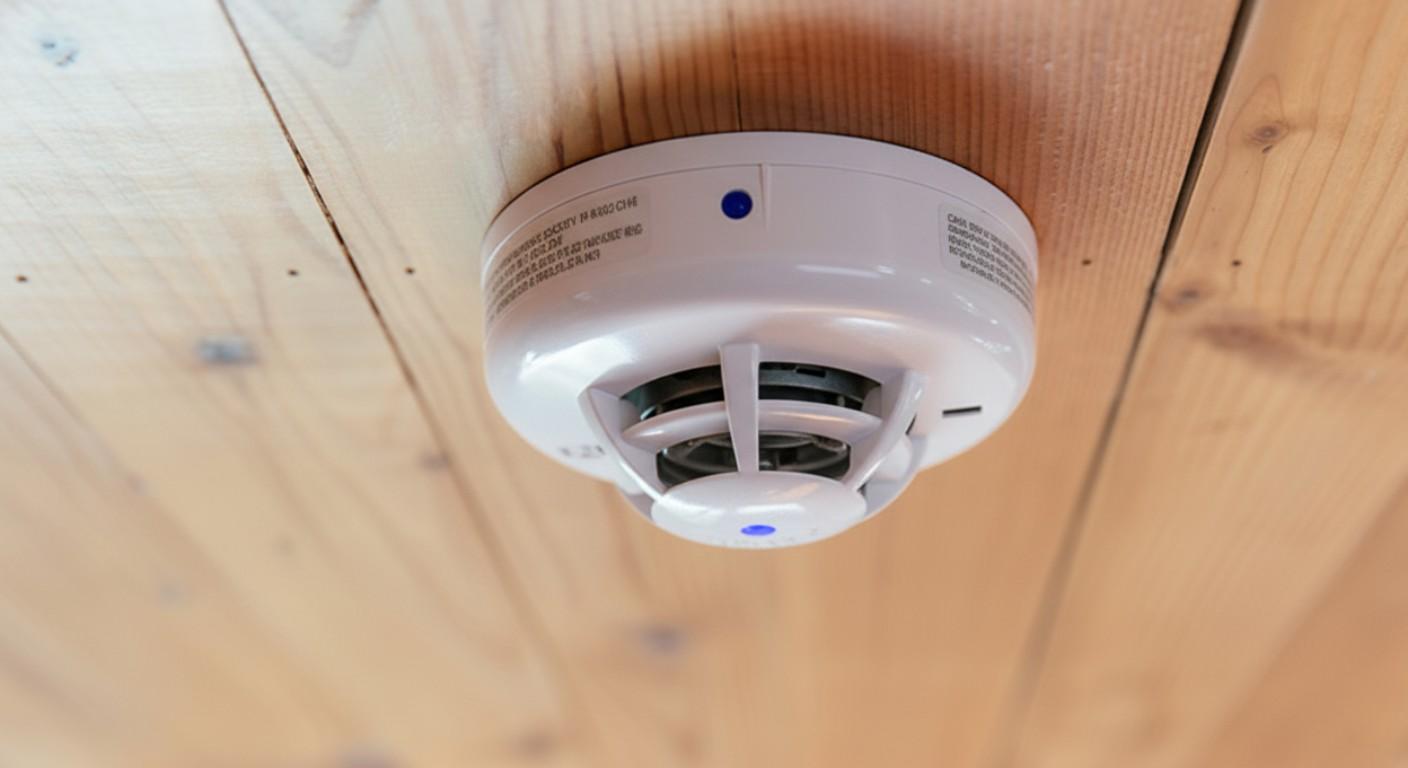
Benefits of Interconnected Smoke Alarms
Alarms that signal each other? Yes, and they vastly improve response times during emergencies – especially in larger homes.
How They Work
Interconnected alarms trigger all units at once when one detects smoke. They can link via wiring or wirelessly. This setup is particularly vital in homes with upstairs bedrooms, where early alerts can be life-saving. We often recommend this for families with young kids or elderly parents.
Accessibility and Installation
Wireless models are available at stores like Bunnings, making installation quick in existing homes. For accurate and compliant results, we recommend consulting licensed experts, such as our team at I&B Electrical. We also handle integration with existing electrical setups during renovations or upgrades.
Maintenance, Testing and Replacements
Alarms only help when they’re kept in fighting shape. A little attention each month could make all the difference.
Monthly and Annual Checks
Every month, test alarms using the built-in button. Dust should be gently wiped off yearly using a dry cloth. For battery-powered units, replace cells every six months, unless they’re sealed lithium models, which last up to 10 years.
Replacing Old Units
Smoke alarms older than ten years should be retired. Check the manufacturing label on the back for the expiration date. We continually upgrade clients to newer, AS 3786-compliant models with enhanced sensors and improved durability across Melbourne homes and rental properties.
Free Smoke Alarms and Government Support
Some households qualify for assistance – your safety shouldn’t hinge on budget limitations.
Eligibility and Access
In Queensland, pensioners may be eligible for free alarms provided by local councils or fire brigades. You can check if your postcode is eligible. Some stores, such as Bunnings, also offer cost-effective options when requested through community channels.
Additional State Assistance
Victoria and South Australia offer programs for vulnerable residents. Pensioners can access free smoke alarms through local government schemes, especially during safety audits or property upgrades. I&B Electrical regularly works with councils to install these systems effectively.
Your Safety Starts With Decisions Made Today
Missing the right spots could mean missing the moment that matters most. Protecting lives starts with thoughtful planning. Every room tells a story, and some of them need alarms to ensure those stories continue peacefully.
The key is to place alarms where people sleep, cook, and gather, where risks are real, not imagined. Covering all the right areas ensures alerts reach every ear, every time.
Good enough isn’t good enough when it comes to early warnings that could change everything.
At I&B Electrical, we know where these alarms should be installed – and we ensure they’re installed correctly, every time. Let’s keep your property safer – reach out to book your smoke alarm setup today.
Frequently Asked Questions
Where should smoke alarms be placed in Australia?
Place them in all bedrooms, hallways, and living spaces. One per level, away from vents or bathrooms.
What are helpful tips for smoke alarm placement?
Keep alarms 300mm clear of corners. Use interconnected models in multi-level homes. Ceiling mounts are best.
Who can install alarms in Queensland?
Only licensed electricians – like our certified team at I&B Electrical, based in Melbourne’s surrounding areas.
Where should carbon monoxide detectors go?
Install near bedrooms and living areas. Chest height is ideal – away from windows and airflow.
What rules apply to commercial properties in Victoria?
Commercial buildings must comply with AS1670, ensuring proper spacing. Get professional help for layout-specific compliance.
